A new way to run Google Ads for window companies has just passed its first real test.
In London and the South East, WRD used Location Lookalikes to help a window company find better areas to target. The result was a huge jump in performance in just one month.
This isn’t guesswork. It was proven in a live Google Ads experiment.
And now, this approach is available to window and glazing companies in non-competing areas across the UK.
The Result
The numbers got attention fast.
- Conversion Rate: +285%
- Conversions: +64%
- Cost per Conversion: -41%
- ROAS: +80%
The uplift reached 80% confidence within a month through a Google Ads experiment.
That matters. It means the growth wasn’t based on gut feel, a lucky week, or a few pretty graphs. It was tested properly against the client’s usual targeting.
For glazing companies, that opens the door to something bigger. A smarter way to choose where your ads appear.
Why This Matters
Most PPC campaigns target users based on keywords, interests, and online behaviour.
That’s useful. But it only tells part of the story.
With windows and glazing, the property itself matters just as much as the click. In some areas, homes are a far better fit for your product. In others, they’re not worth chasing.
That’s where Location Lookalikes changes the game.
- Target areas with the right kind of housing stock
- Focus spend where demand is more likely to happen
- Cut wasted clicks from poor-fit locations
- Improve lead quality, not just lead volume
- Give Google better signals to work with
How Location Lookalikes Works
This approach uses location targeting backed by large volumes of external property and area data.
Instead of relying only on user behaviour, we look at the real-world factors behind sales.
That includes signals tied to:
- Property type
- Building age
- Sale price patterns
- Area characteristics
- Demand indicators
- Competitive conditions
- Google Ads forecast data
- Wider location trends
Then we compare proven high-performing areas with other areas that share similar traits.
That creates location lookalikes. In simple terms, it helps us find more places that look like the places already producing sales.
For the window industry, this is a big deal.
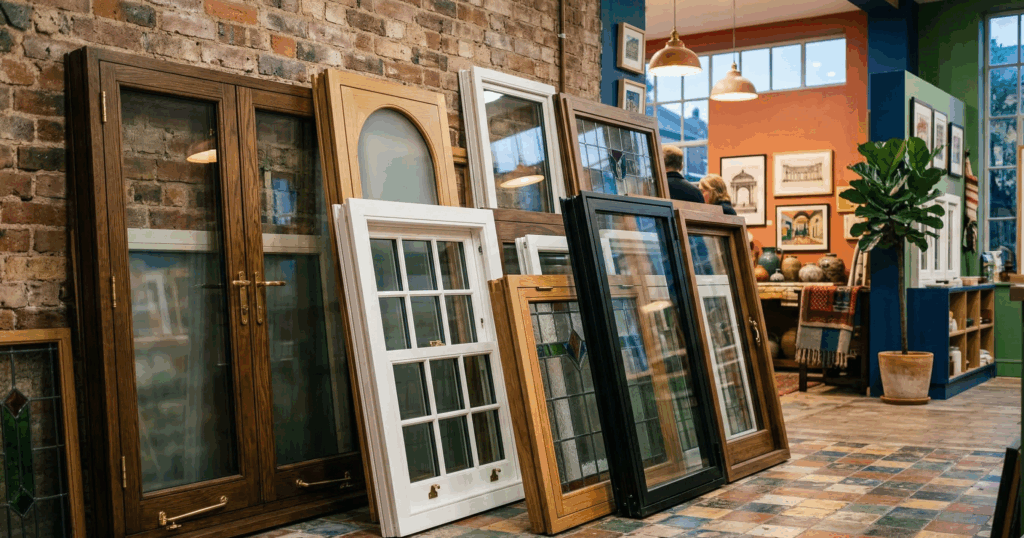
Some products are a natural fit for older homes. Some are better suited to certain property types. And some areas are packed with renters or flats, where replacement windows are far less likely to be sold.
That difference matters. A lot.
What We Did
We set this up as an A/B experiment in Google Ads.
The goal was simple. Prove whether our identified top locations could beat the areas the client originally wanted to target.
To keep the test clean, day-to-day optimisation was matched across both versions of the campaign. That way, the main variable was the location strategy itself.
The test areas were selected using a mix of:
- Property type density
- Sales data
- Google Ads forecasts
- Competitive metrics
- Broader area analysis
This let us isolate the impact of the Location Lookalikes model rather than muddy the waters with other changes.
Why It Worked
The best PPC campaigns don’t just chase more traffic. They get closer to where real demand is likely to come from.
That’s exactly what happened here.
By focusing on the right areas, the campaign sent more budget into locations with stronger sales potential. That improved conversion rate, reduced waste, and lifted return on ad spend.
In other words:
- Better areas produced better clicks
- Better clicks produced more conversions
- More conversions came at a lower cost
That’s the kind of improvement that gets hard to ignore.
What Happens Next
This isn’t a one-off trick.
The more data we build, the more precise the targeting becomes.
We’re now using the same thinking to identify even more specialised location patterns, so campaigns can be tuned around the types of homes and areas most likely to generate profitable sales.
Every business is different, so each model is built around the client’s own sales data, goals, and service area.
- No generic postcode targeting
- No blanket radius targeting
- No “close enough” approach
Just smarter targeting based on where your next sales are more likely to come from.
A New Edge for Window & Glazing Companies
If you sell windows, doors, or glazing products, this gives you a chance to outpace competitors in your area before they catch on.
Pair Location Lookalikes with strong ads, solid landing pages, and proper conversion tracking, and you’ve got a much stronger PPC setup than most companies in the market.
Want to See How it Works in Your Area?
If you want to know whether your current target locations are helping or holding you back, let’s talk.
We can show you how Location Lookalikes could help your window or glazing business:
- Find stronger areas to advertise in
- Reduce wasted spend
- Improve lead quality
- Generate more profitable sales
Request a quick demo and see what your best locations really look like.